
Landscape Photography for Beginners: Your Step-by-Step Guide
Mountains, coastlines, and quiet fields all make great subjects. This landscape photography guide walks you through the gear, settings, and habits that turn a pretty view into a photo you’ll want to print.
What You Need to Get Started
You can shoot beautiful landscapes with almost any camera. A few extras just make the job easier.
- A camera or phone with manual controls
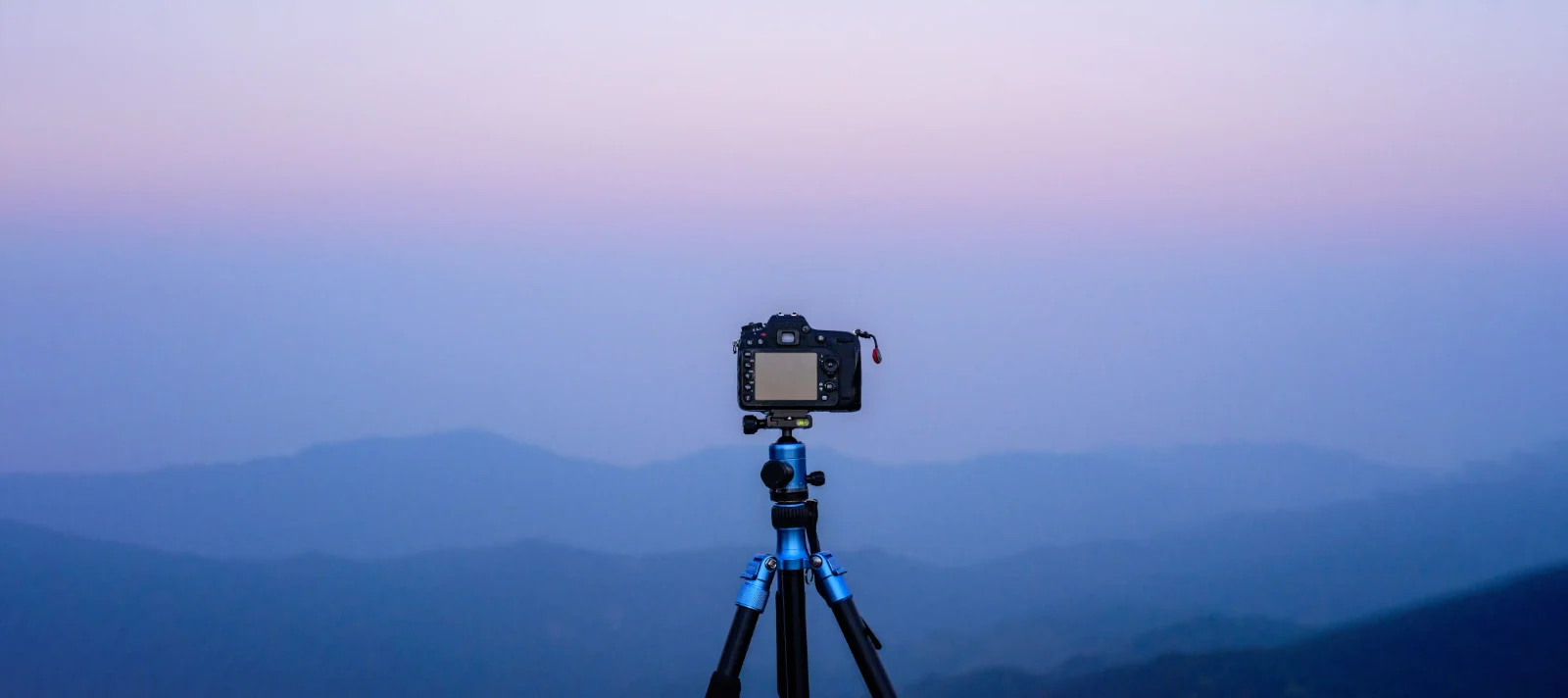
- A sturdy tripod for sharp shots in low light
- A wide-angle lens, roughly 16 to 35mm on full frame
- A circular polarizing filter to deepen skies and cut glare
- Comfortable shoes, water, and a weather check before you leave
Best Camera Settings for Landscape Photography
These settings are a reliable starting point for most outdoor scenes.
| Aperture | f/8 to f/11 keeps most of the scene sharp |
| ISO | 100, or as low as your camera allows, for clean images |
| Shutter speed | let it fall where it needs to, with a tripod handling slow speeds |
| Focus | about one third of the way into the scene |
| File format | RAW, so you can recover detail in bright skies and dark shadows |
Use a two-second timer or a remote so you don’t shake the camera when you press the shutter.
How to Compose a Strong Landscape Shot
A great view doesn’t guarantee a great photo. The way you frame it does.
Find a Foreground
Rocks, flowers, or a winding path at the front of your frame give the scene depth. Get low and close to make them stand out.
Watch the Horizon
Keep it straight, and avoid cutting the frame exactly in half. Put it on the lower third for a dramatic sky or the upper third for an interesting foreground.
Follow the Lines
Rivers, roads, and ridgelines lead the eye into the distance. Line them up so they guide your viewer toward the main subject.
Plan Around the Light
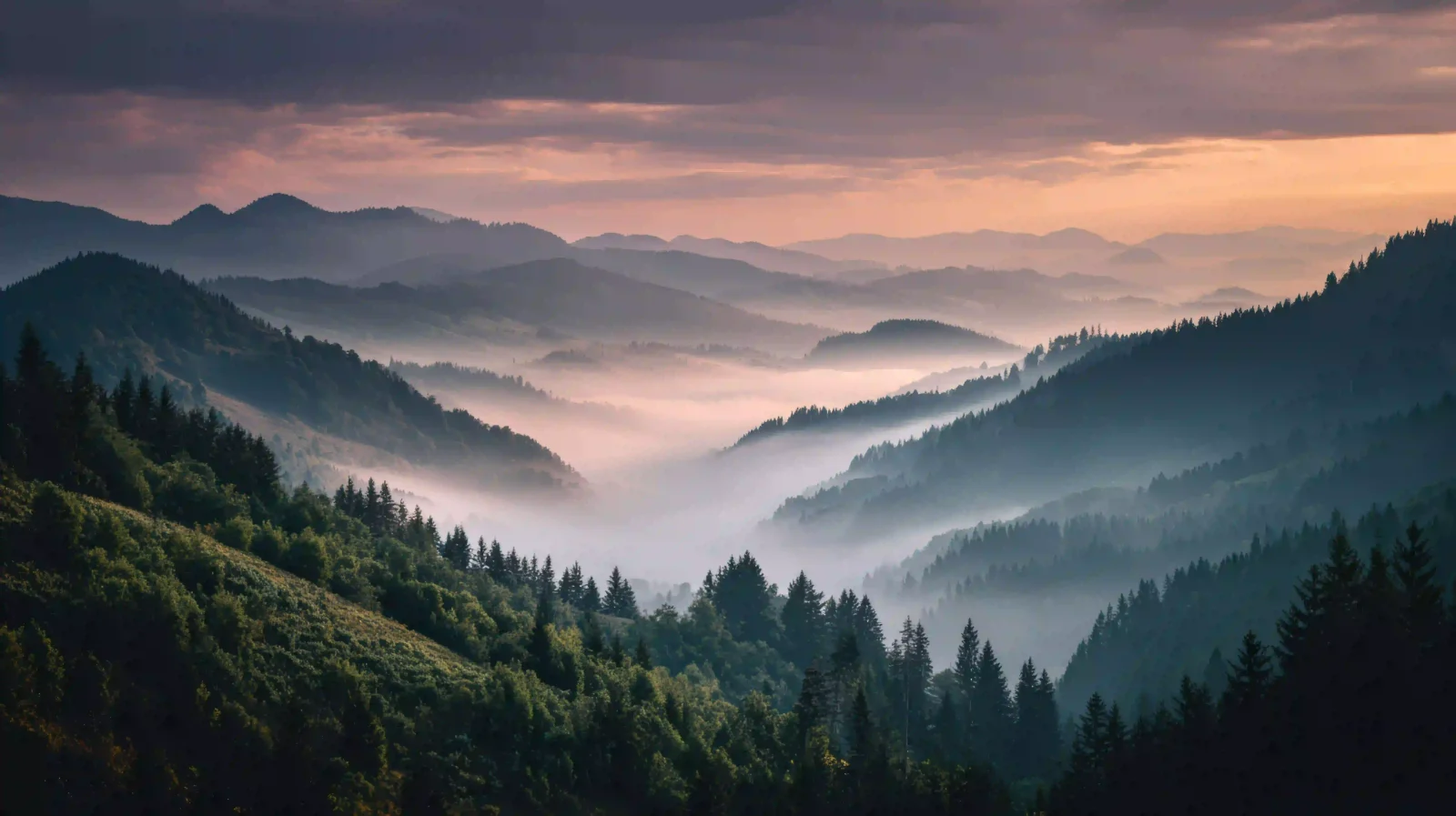
Light makes or breaks a landscape. Midday sun is harsh and flat, while early morning and late evening bring soft, warm color and long shadows.
Check sunrise and sunset times before you head out, and arrive early. You’ll have time to find your spot before the best light shows up.
Cloudy or stormy days are worth a try too. Moody skies often create more interesting shots than a plain blue one.
A Simple Landscape Photography Workflow in 3 Steps
Step 1: Scout Your Location
Look up photos of the area and use a map app to find viewpoints. Visiting once in daylight helps you plan your shot for the best light.
Step 2: Set Up and Shoot
Lock your camera on the tripod, dial in your settings, and take a test shot. Check the histogram so you aren’t losing detail in the sky.
Step 3: Edit With a Light Touch
Adjust exposure, contrast, and color until the photo matches what you saw. Keep it natural, since overdone edits are easy to spot.
Common Mistakes to Avoid
- Shooting only at eye level instead of trying low or high angles
- Forgetting a foreground, which leaves the image flat
- Leaving a crooked horizon
- Packing up right after sunset, just before the sky often lights up
Landscape Photography Questions Answered
Quick answers to help you head out with confidence.
What Is the Best Lens for Landscape Photography?
A wide-angle zoom is the most popular choice because it captures big scenes and strong foregrounds. A standard zoom works well too, especially for isolating distant peaks.
Do I Really Need a Tripod?
In bright daylight, you can manage without one. For sunrise, sunset, or silky water, a tripod is a must.
What Time of Day Is Best for Landscapes?
The hour after sunrise and the hour before sunset give you warm, soft light. Many photographers call this the golden hour.
Can I Shoot Landscapes With My Phone?
Yes. Modern phones handle landscapes well, especially in good light, and your composition matters far more than the device.
How Do I Get the Whole Scene Sharp?
Use an aperture around f/8 to f/11 and focus about a third of the way into the frame. For extreme depth, try focus stacking several shots.
What Filters Are Worth Buying First?
Start with a circular polarizer. An ND filter is a great second purchase if you want to blur moving water or clouds.
Your Next Great Shot Is Waiting Outside
Pick a spot near home, check the light, and put these landscape photography tips to work this week. Every trip outdoors makes you better.